Health and Safety Policy for Cleaners W11
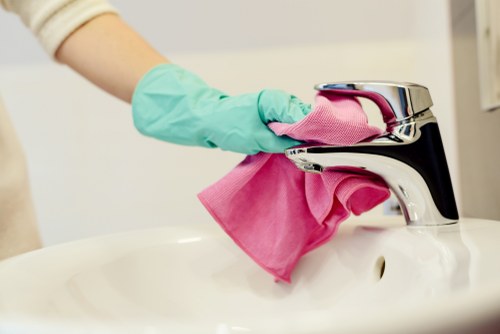 Our cleaners W11 health and safety policy is designed to support safe, responsible, and consistent working practices in every cleaning task. It sets clear expectations for risk awareness, protective measures, and day-to-day care, helping ensure that cleaning work is carried out in a safe and professional manner. This policy applies to all cleaning activities and to everyone involved in delivering them, including full-time, part-time, and temporary staff.
Safety is not treated as an extra step; it is part of the job from the start. A cleaner in W11 may work in homes, offices, communal areas, or other environments, and each setting can present different hazards. Our approach focuses on assessing those hazards, reducing avoidable risks, and maintaining a clear standard of conduct that protects workers, occupants, and property.
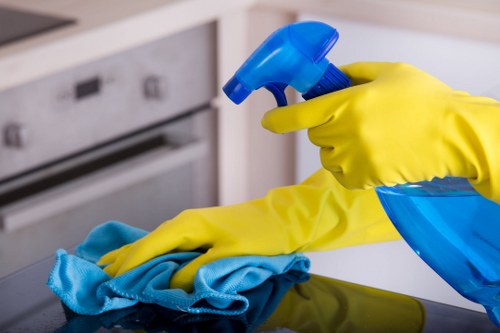 Before any cleaning task begins, staff are expected to review the area, identify possible dangers, and decide on the safest way to proceed. This includes looking for slippery floors, broken items, exposed wires, unstable furniture, or unsuitable chemicals. A professional cleaning service must remain alert to changes in the environment, because even familiar spaces can become unsafe without warning.
Core responsibilities
Every person involved in the service has a role to play in maintaining a safe working environment. Cleaners must use equipment correctly, follow product instructions, and report hazards immediately. Supervisors are responsible for setting standards, monitoring safe practice, and ensuring that any known risks are addressed before work continues. Clients and property occupants also benefit from keeping work areas reasonably clear and informing staff of any special concerns.
Protective equipment should be used whenever needed. This may include gloves, masks, non-slip footwear, or eye protection, depending on the task and the substances in use. A cleaning company in W11 should make sure PPE is suitable, clean, and in good condition. Where equipment is damaged or no longer effective, it should be replaced promptly.
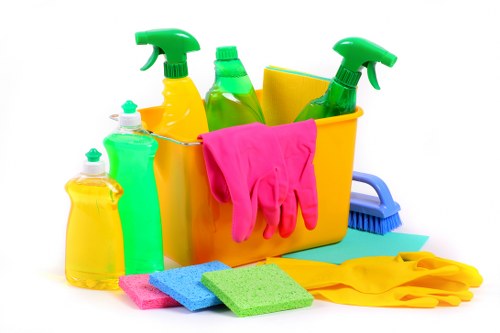 Cleaning products must be handled with care. Chemical containers should remain clearly labelled, securely closed, and stored safely when not in use. Staff should never mix products unless the instructions explicitly allow it. Good ventilation is important when using sprays or stronger solutions. In addition, workers should wash their hands after handling products and avoid touching their face during tasks.
Safe working practices
Manual handling is a common part of cleaning, so staff should lift, carry, bend, and move items in a controlled way. Where possible, heavy objects should be moved with assistance or equipment rather than by hand. A cleaning specialist should always use proper posture and take care when reaching, especially in awkward spaces or when working for long periods.
Floors and surfaces can become hazardous during cleaning. Warning signs should be used where appropriate to reduce the chance of slips and falls. Spills should be cleaned up quickly, and freshly cleaned areas should be left to dry where needed. Equipment such as vacuum cleaners, mops, and extension tools should be checked regularly for wear, damage, or electrical faults before use.
Working at height, even for simple tasks like dusting shelves or cleaning windows, requires extra caution. Only stable, suitable equipment should be used, and improvised access methods are never acceptable. A W11 cleaner should not overreach from ladders or chairs, and any task that cannot be completed safely should be stopped and reassessed.
Training, reporting, and wellbeing
Training is an essential part of any health and safety policy for cleaners. Staff should understand safe product use, correct equipment handling, emergency procedures, and how to respond to incidents. Refresher training helps keep knowledge current and supports safe habits over time. Training should be practical, clear, and relevant to the actual work being carried out.
Any accident, near miss, or unsafe condition must be reported without delay. Prompt reporting helps prevent repeated problems and allows corrective action to be taken quickly. Records should be kept where needed so that patterns can be identified and improvements made. This includes incidents involving sharp objects, contamination, faulty equipment, or environmental hazards.
Wellbeing is also part of safety. Cleaning work can be physically demanding, so reasonable pacing, regular breaks, and proper hydration are important. Fatigue can increase the chance of mistakes, so workers should be encouraged to raise concerns if a task becomes too tiring or difficult. A healthy working environment supports both safe cleaning services and better quality outcomes.
Emergency response and standards
 Emergency procedures must be understood by everyone before work begins. Staff should know what to do in case of fire, chemical exposure, injury, or evacuation. Where first aid resources are available, cleaners should know their location and how to seek help quickly. Quick, calm action can reduce harm and improve the outcome of an emergency situation.
Hygiene standards must remain high throughout all cleaning operations. Used cloths, waste, and contaminated materials should be disposed of safely to avoid spreading dirt or infection. Different areas may require different cleaning methods, and materials should not be reused in a way that transfers contamination from one surface to another. Good practice protects both workers and the people who use the space.
 This policy is reviewed regularly so it remains effective and reflects current working practices. Updates may be made when new equipment is introduced, when risks change, or when better safety measures become available. By following this cleaners W11 safety policy, we promote a reliable, careful, and professional approach that values prevention, responsibility, and respect in every task.